



What is “Hard” Water?
 Hardness in water is caused by naturally occurring salts of calcium and magnesium which are found to varying degrees in all water sources.
The higher the concentration of these salts, the “harder” the water is. Hard water gets its name from the fact that these calcium and magnesium salts react with soap and detergent forming an insoluble scum and making it “hard” to make a lather.
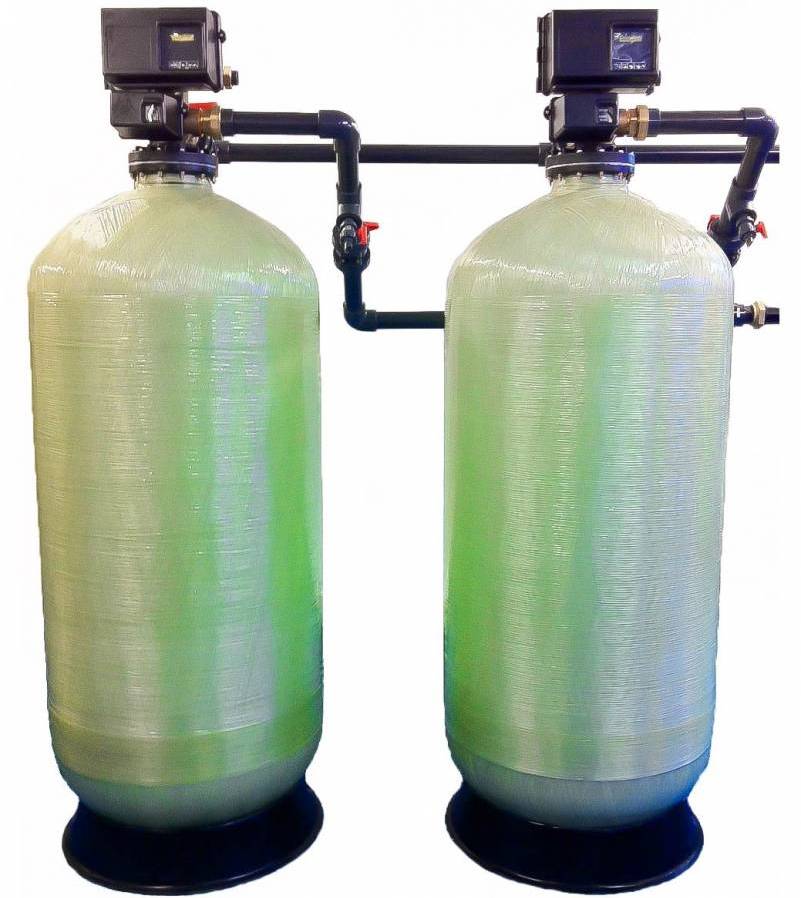
This is a costly problem for a commercial laundry and greatly increases the house keeping work load in a hotel, making a hard water softener an essential requirement.
Hard water not only makes washing with soap and detergent more difficult and costly – it also forms scale / limescale when the water is heated.
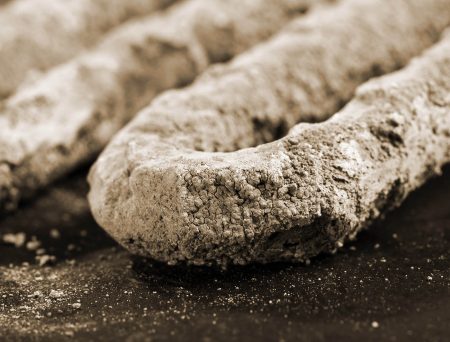
Heating hard water causes the previously soluble calcium and magnesium salts to become insoluble and forms a rock-like deposit on the heat transfer surface.